
Chapter 01 / 05
What a cold room is
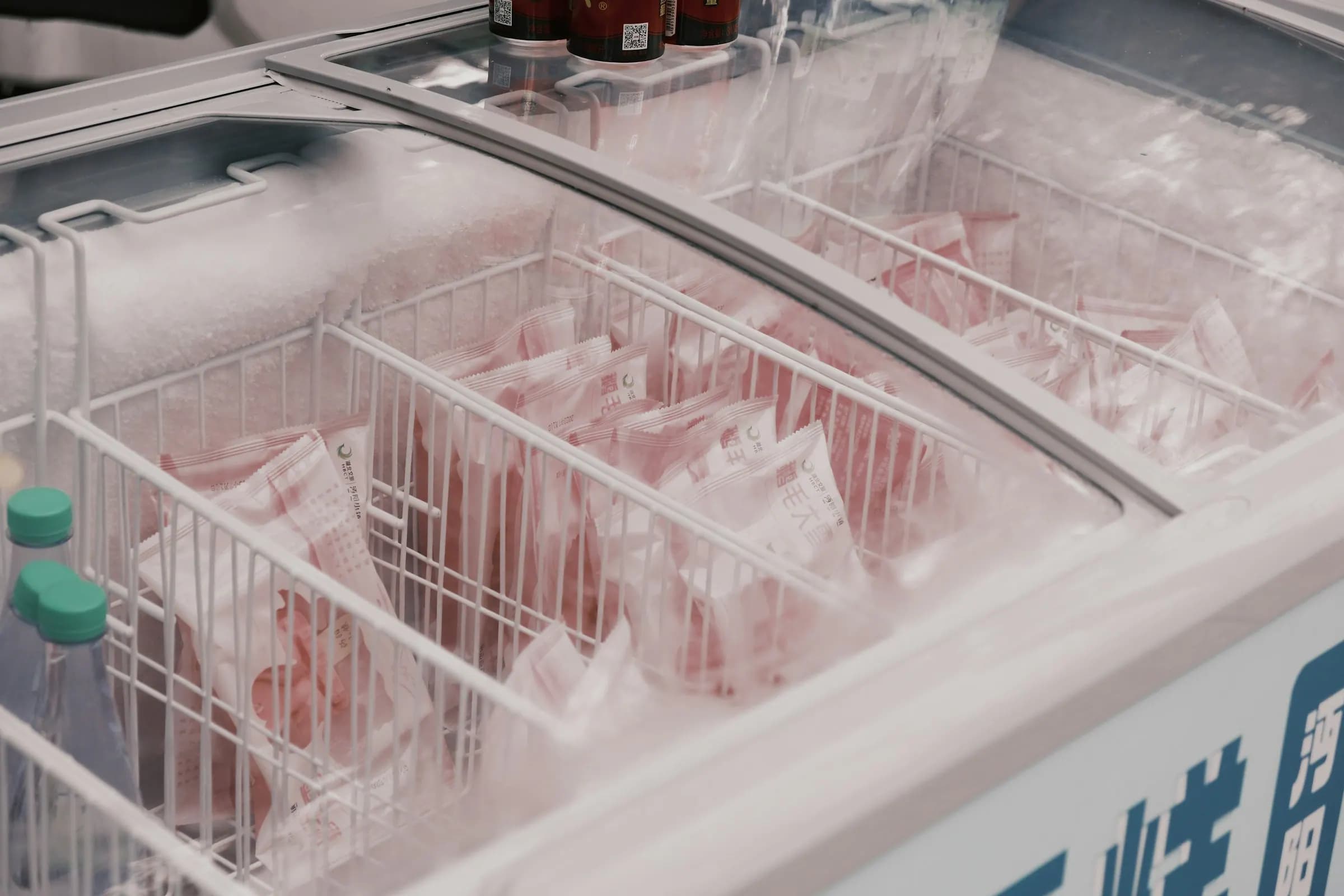
A cold room is an enclosed, insulated space kept at a controlled low temperature to store perishable goods: fruit, vegetables, dairy, meat, frozen food, medicines and vaccines. Unlike a fridge, it is walk-in and fixed in place, with shelving or pallet racking for bulk stock. Restaurants, hotels, supermarkets, food processors, pharma companies and cold-chain warehouses all rely on them.
Chapter 02 / 05
The main components
A cold room has two halves: an insulated box that keeps heat out, and a refrigeration system that removes the heat that gets in. Both have to be designed together. Thin panels with a large compressor waste power, and good panels with a small unit never reach temperature.
01Insulated panels
Two metal sheets with polyurethane (PUF) foam between them form the walls, ceiling and often the floor.
02Compressor
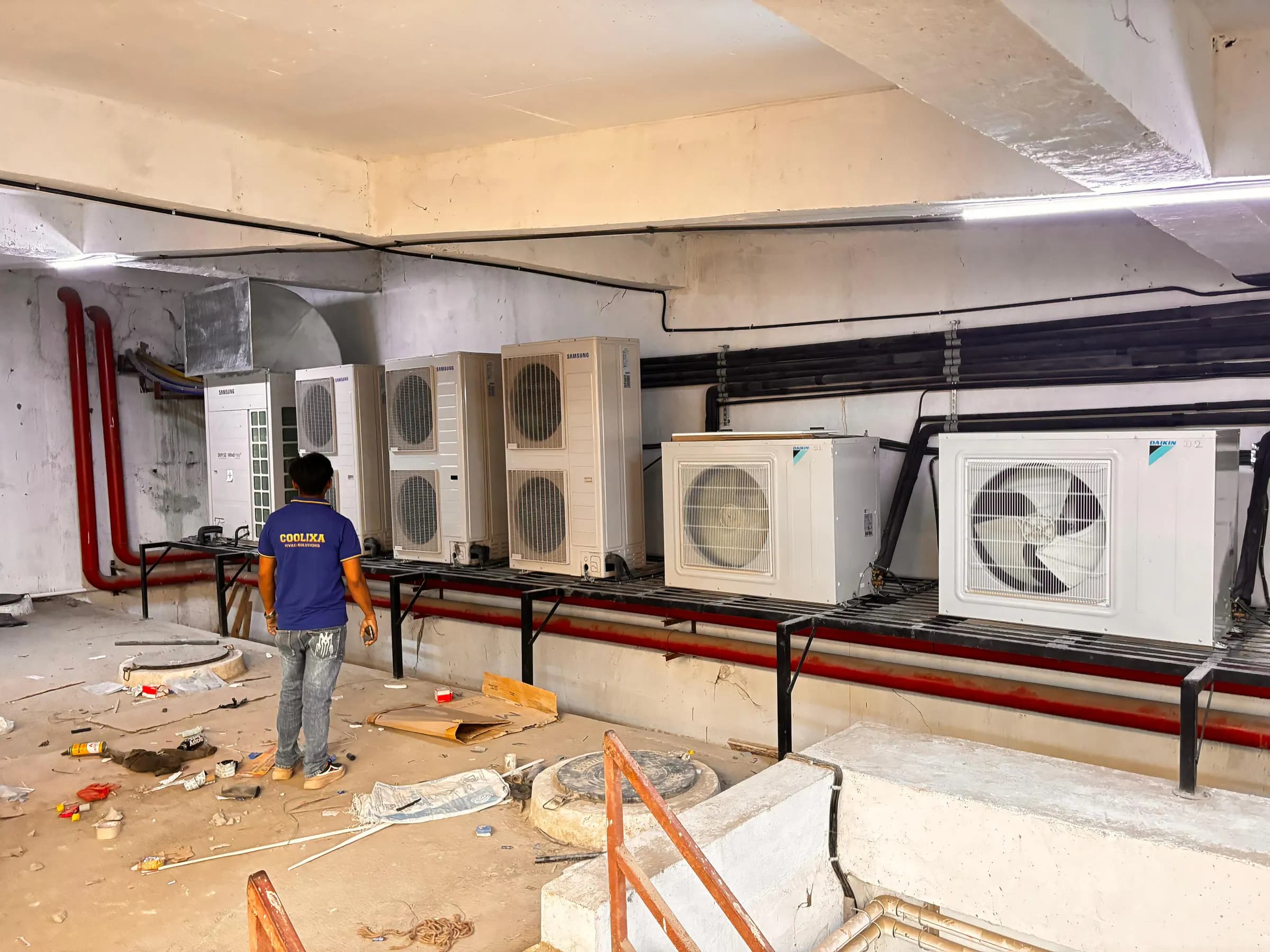
Compresses the refrigerant gas, raising its pressure and temperature.
03Condenser
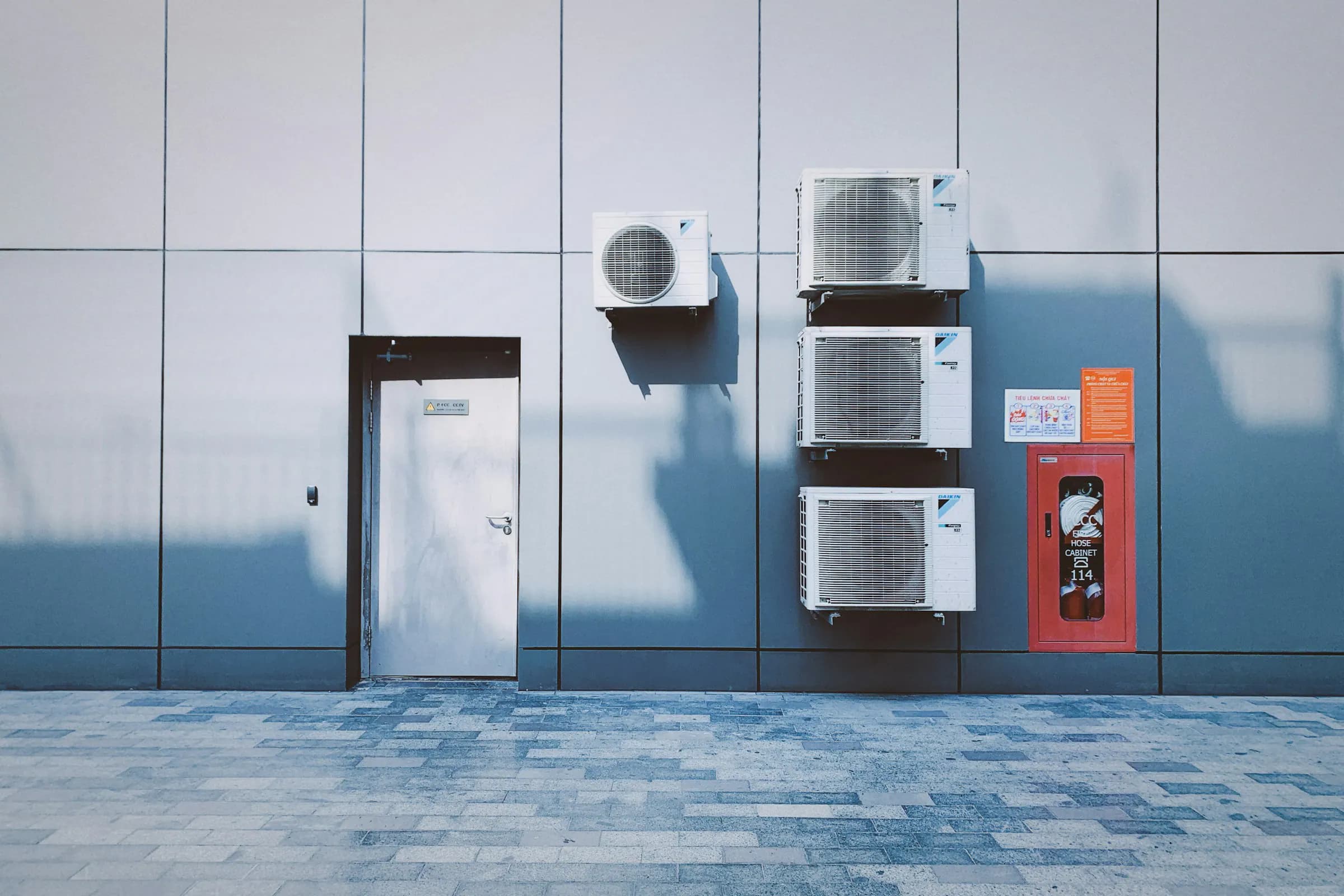
Usually outside; releases heat so the gas condenses to a liquid.
04Expansion valve
Drops the pressure so the liquid refrigerant becomes very cold.
05Evaporator and fans
Inside the room; absorbs heat from the air and circulates cold air evenly.
06Controller, doors and lights
Holds the setpoint, seals the room and lights it without adding much heat.
Chapter 03 / 05
Typical temperature ranges
The setpoint depends entirely on what you store. Chiller rooms for fruit, vegetables and dairy run a few degrees above freezing. Pharma rooms usually hold a narrow band such as 2 to 8°C, following the product label. Freezer rooms for frozen food run around minus 18°C or colder. Colder rooms need thicker panels and more refrigeration capacity, so decide the range before anything is designed.
Chapter 04 / 05
Cold room or commercial fridge?
A commercial fridge suits small volumes and a single temperature. A cold room makes sense once you are storing bulk stock, need pallet access, or want separate zones at different temperatures. It also gives more precise control, which matters in pharma and laboratories, and it is easier to organise for stock rotation.
Chapter 05 / 05
Cleaning and maintenance
Commercial cold rooms should be cleaned thoroughly at least once a week: empty and wipe shelves, sanitise surfaces, and check door seals and stock arrangement. Rooms holding raw meat or medicines often need more frequent cleaning to meet regulations. Clear spills as soon as they happen.
The refrigeration side needs its own schedule. Coils should be cleaned, refrigerant levels and pressures checked, fans and defrost tested, door gaskets inspected and the controller calibrated. Temperature logs should be kept and reviewed, since a slow drift is often the first sign of a fault.
Frequently asked questions
01How thick should cold room panels be?
It depends on the room temperature. Freezer rooms need thicker PUF panels than chiller rooms. We specify the thickness after confirming the temperature and site conditions.
02Why does ice build up in my cold room?
Common causes are worn door gaskets letting in humid air, doors left open during loading, or a defrost fault on the evaporator. Each needs a different fix, so have a technician check it.
03Can a cold room be relocated?
Modular PUF panel cold rooms can usually be dismantled and rebuilt at a new site, along with the refrigeration unit, provided the panels are in good condition.