
Industry · tap the numbers
Restaurants & Bars
Cool dining rooms, clear kitchen fumes and reliable cold storage.
- Industry
- Restaurants & Bars
- Services used
- 7 services
- Typical systems
- Ventilation · Commercial AC
What makes it different
Chapter 01 / 03
Air conditioning for dining areas
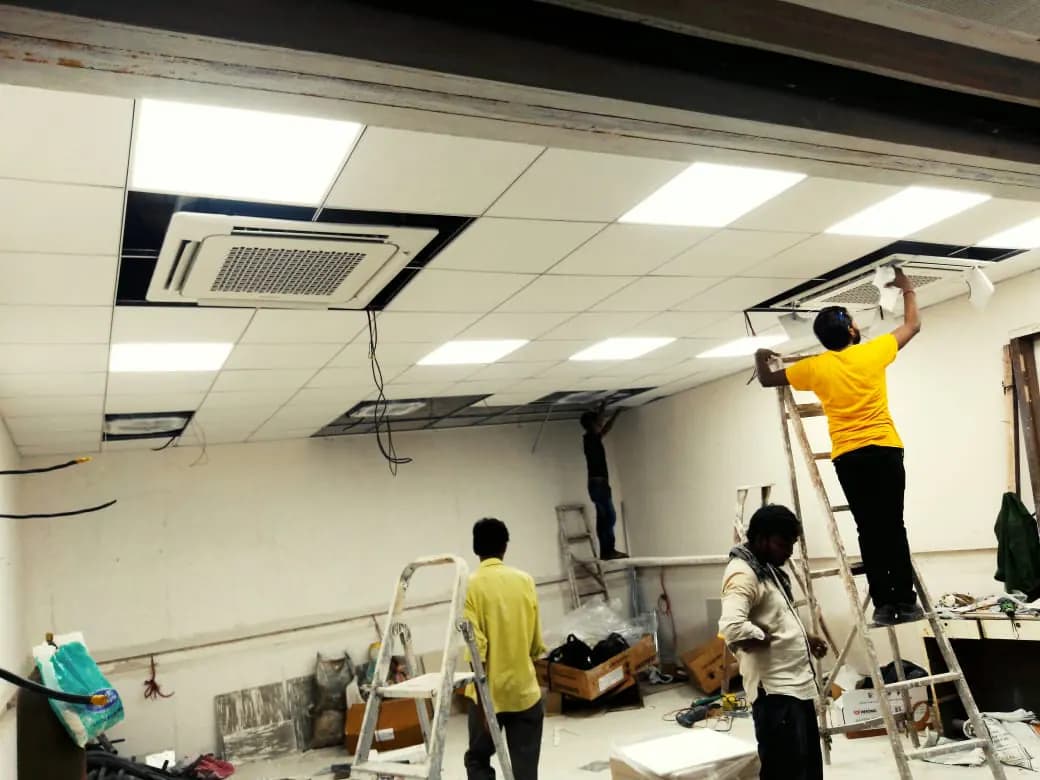
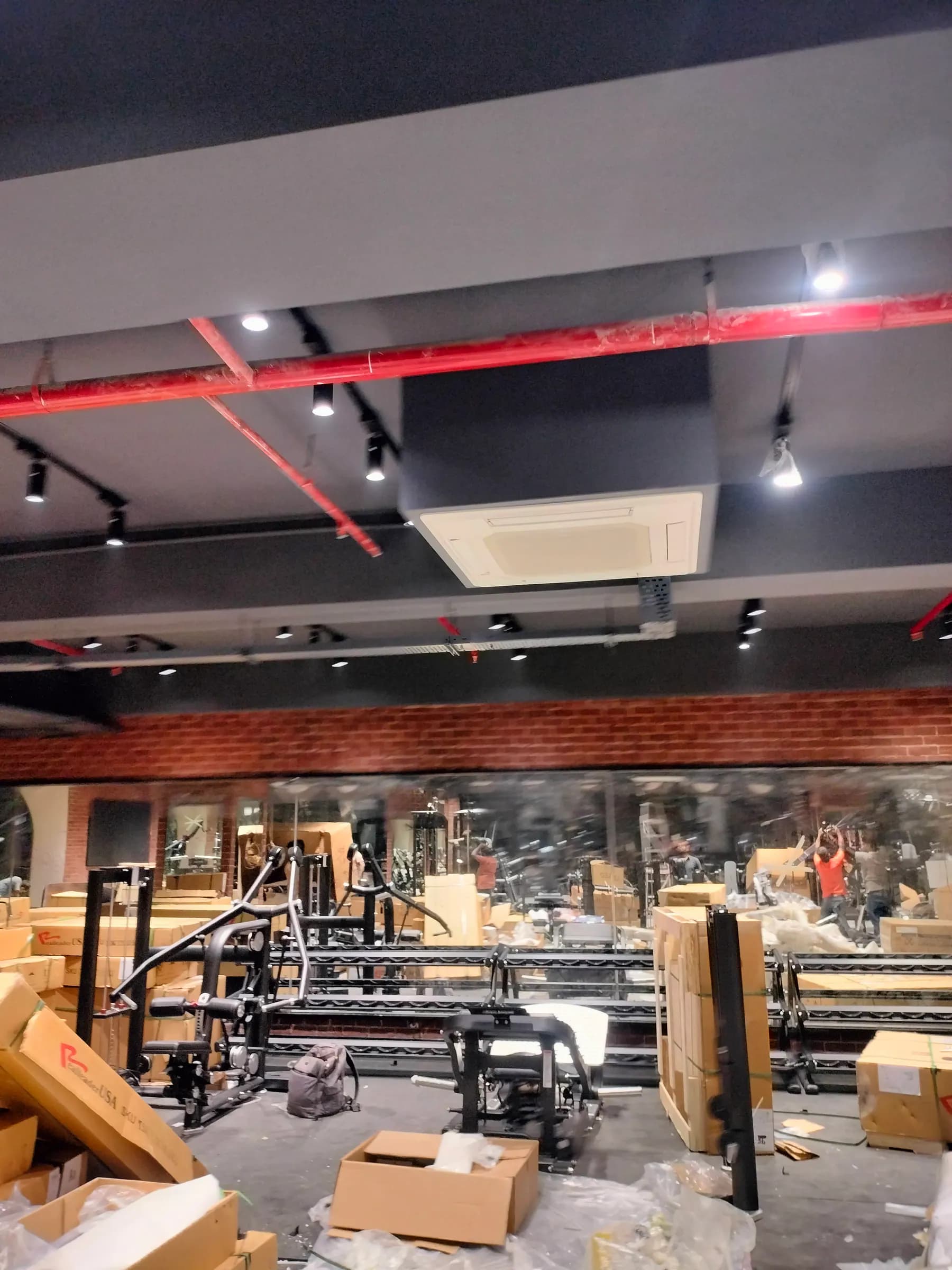
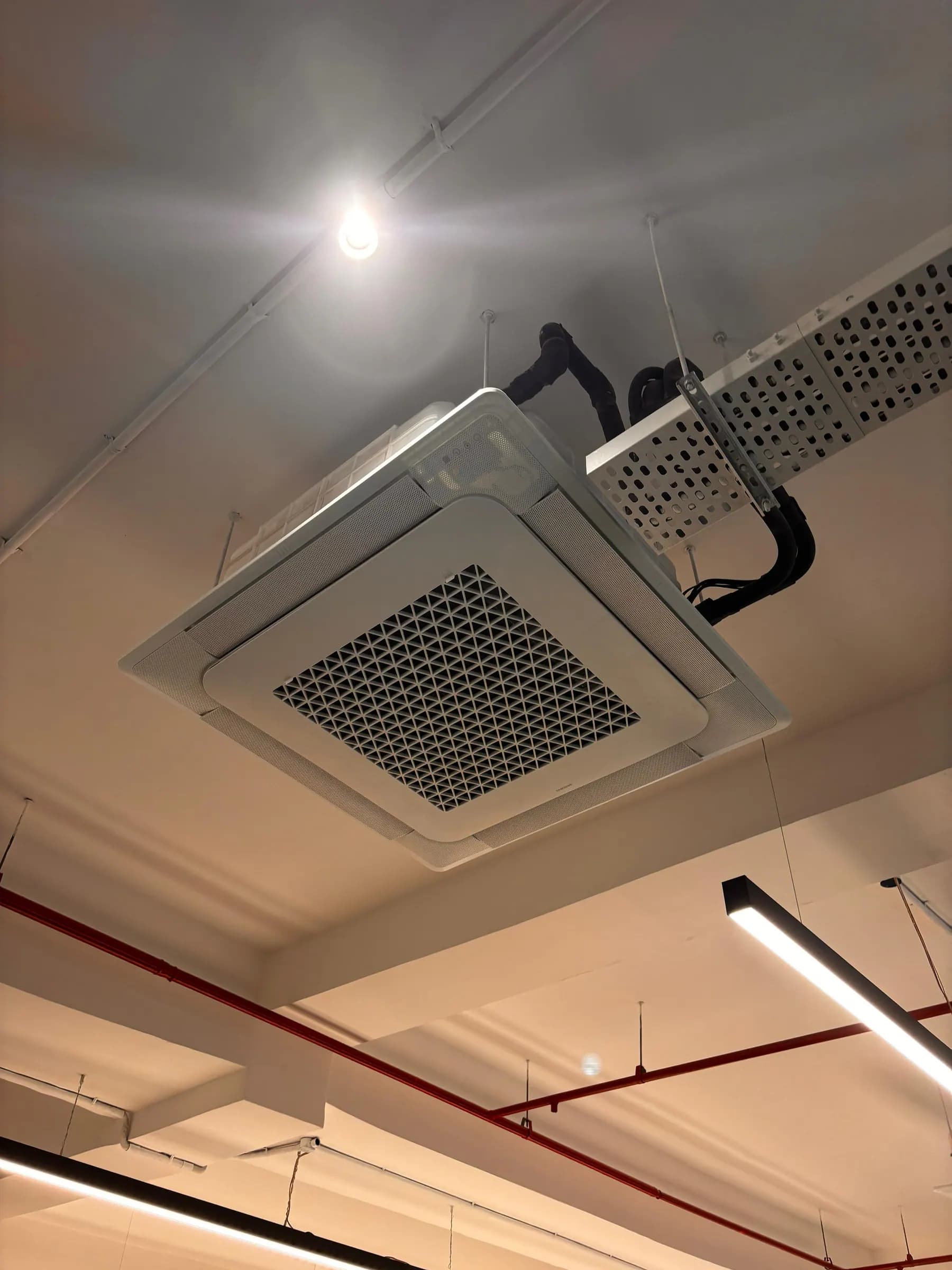
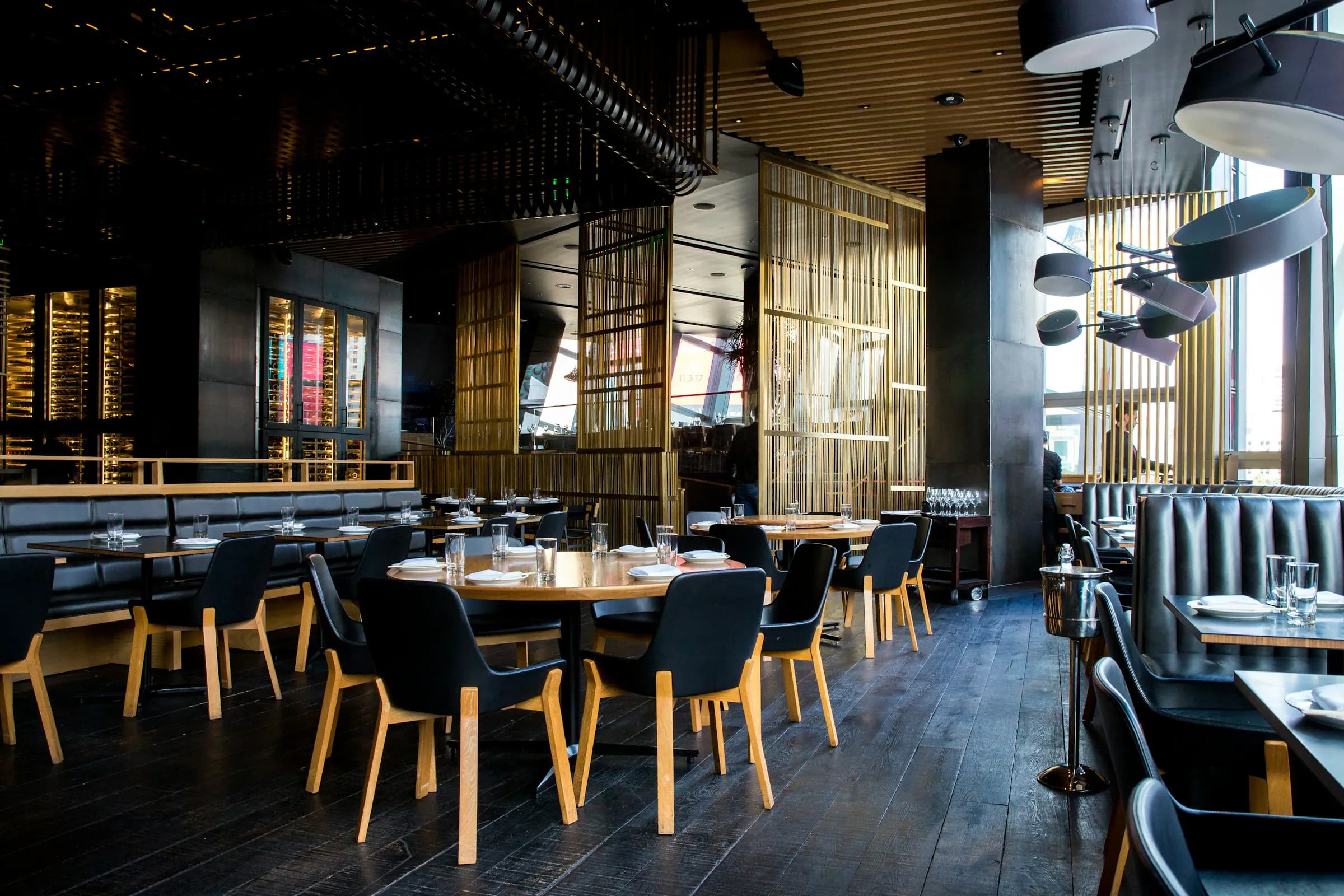
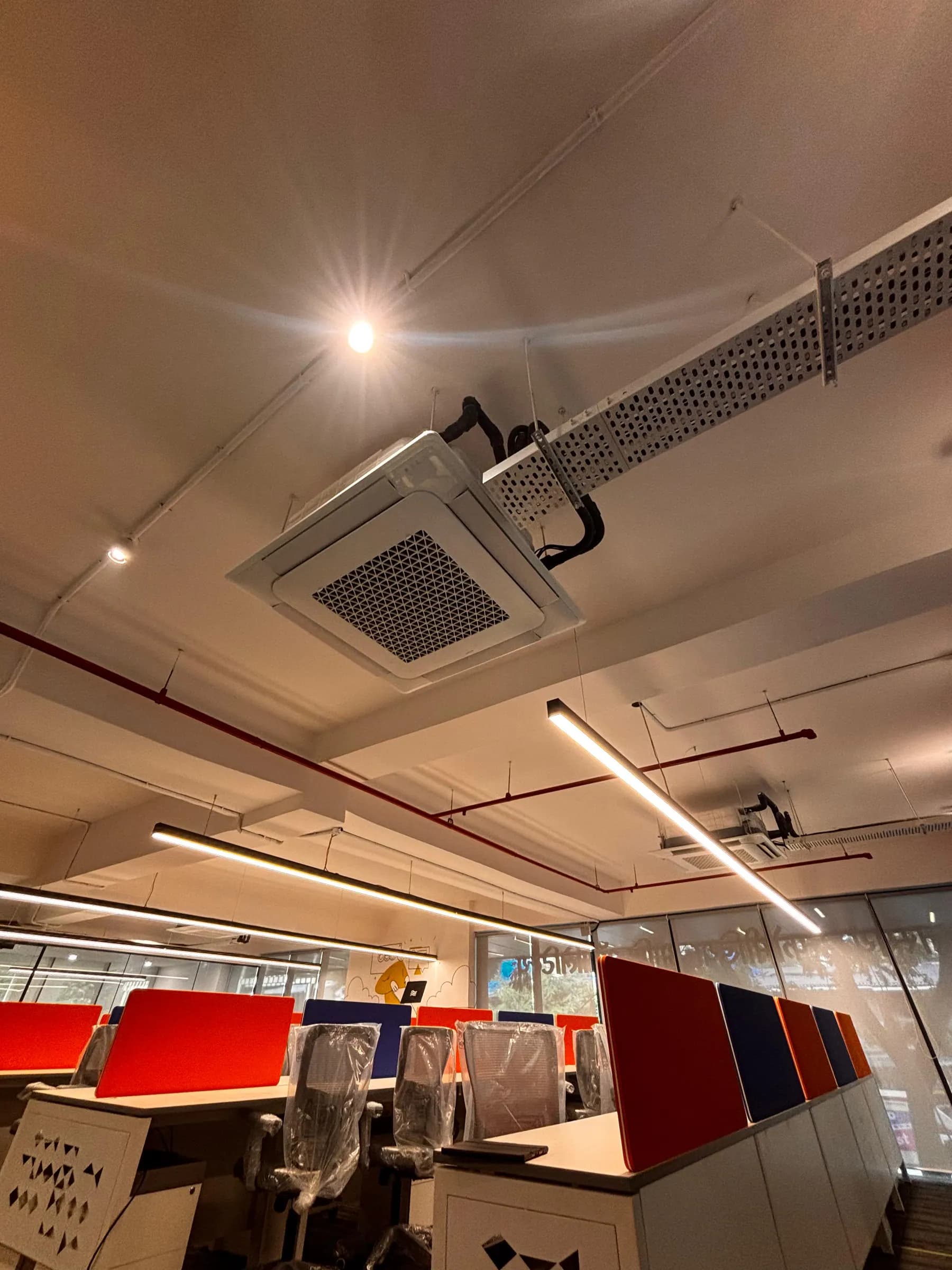
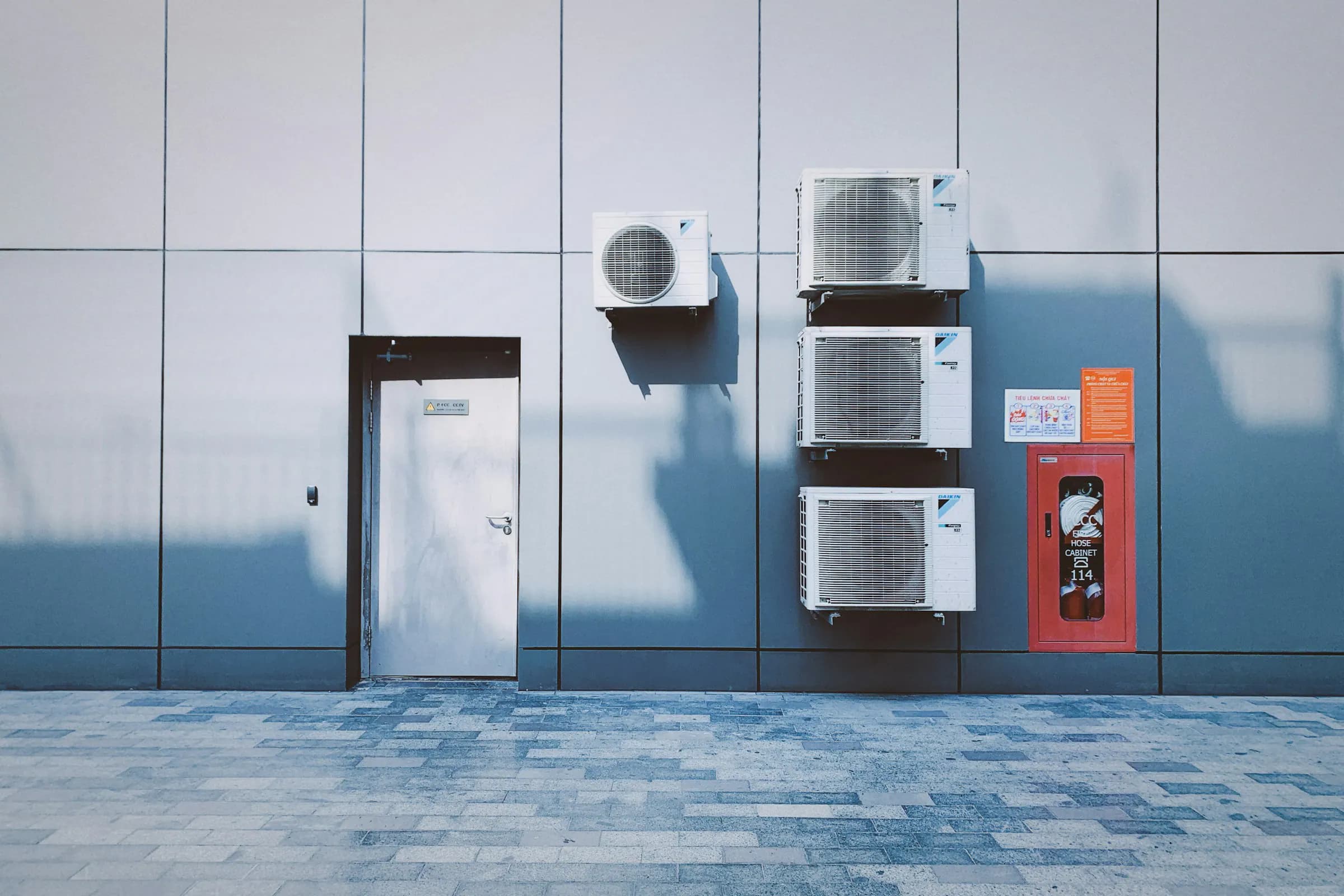
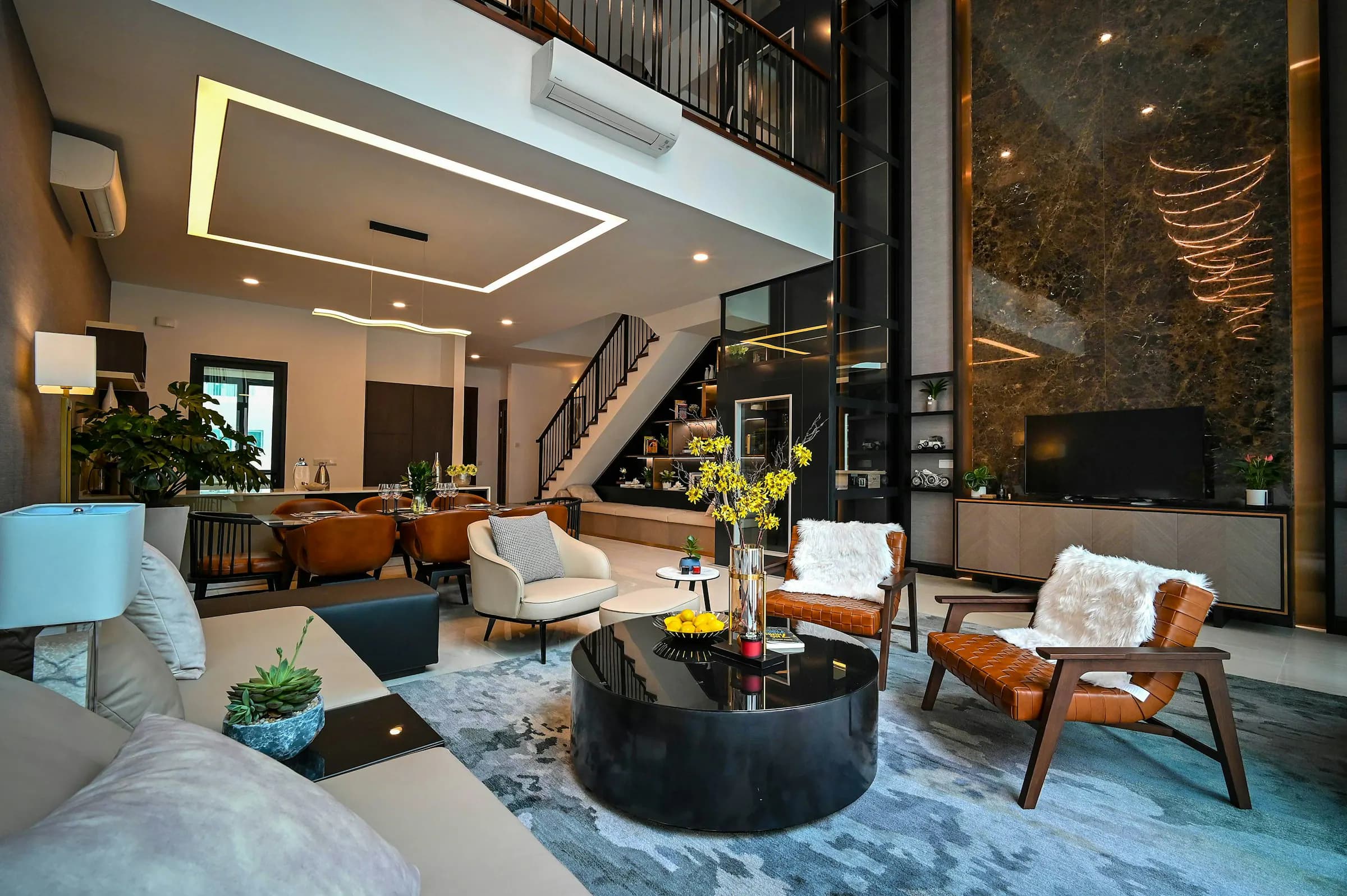
A dining room has to stay comfortable when it is full, without freezing early guests. We size the system for peak occupancy and kitchen heat gain, and use inverter or VRF equipment that turns down when the room is quiet. Supply grilles are placed so guests do not sit in a cold draught.
Chapter 02 / 03
Ventilation and kitchen exhaust
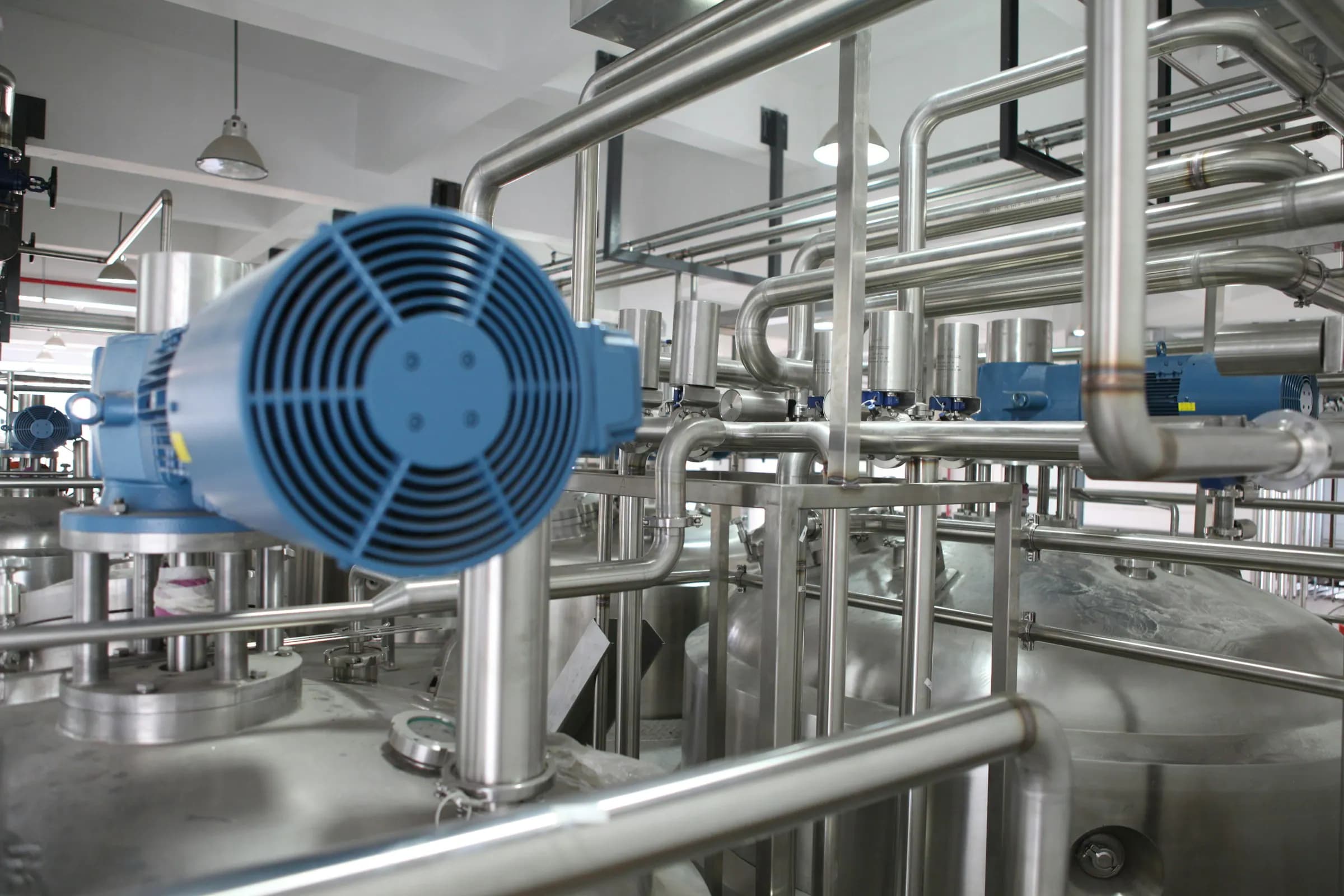
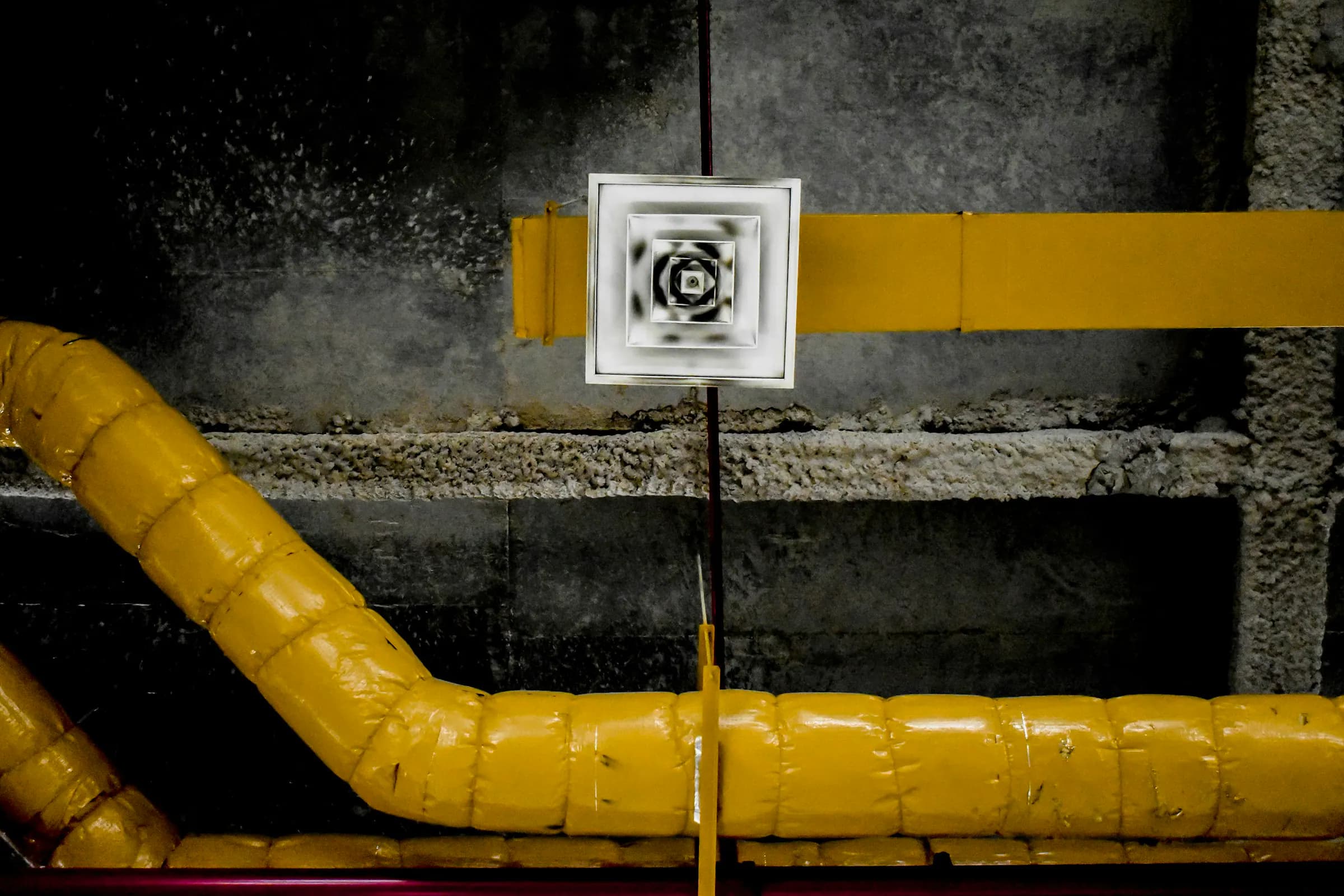
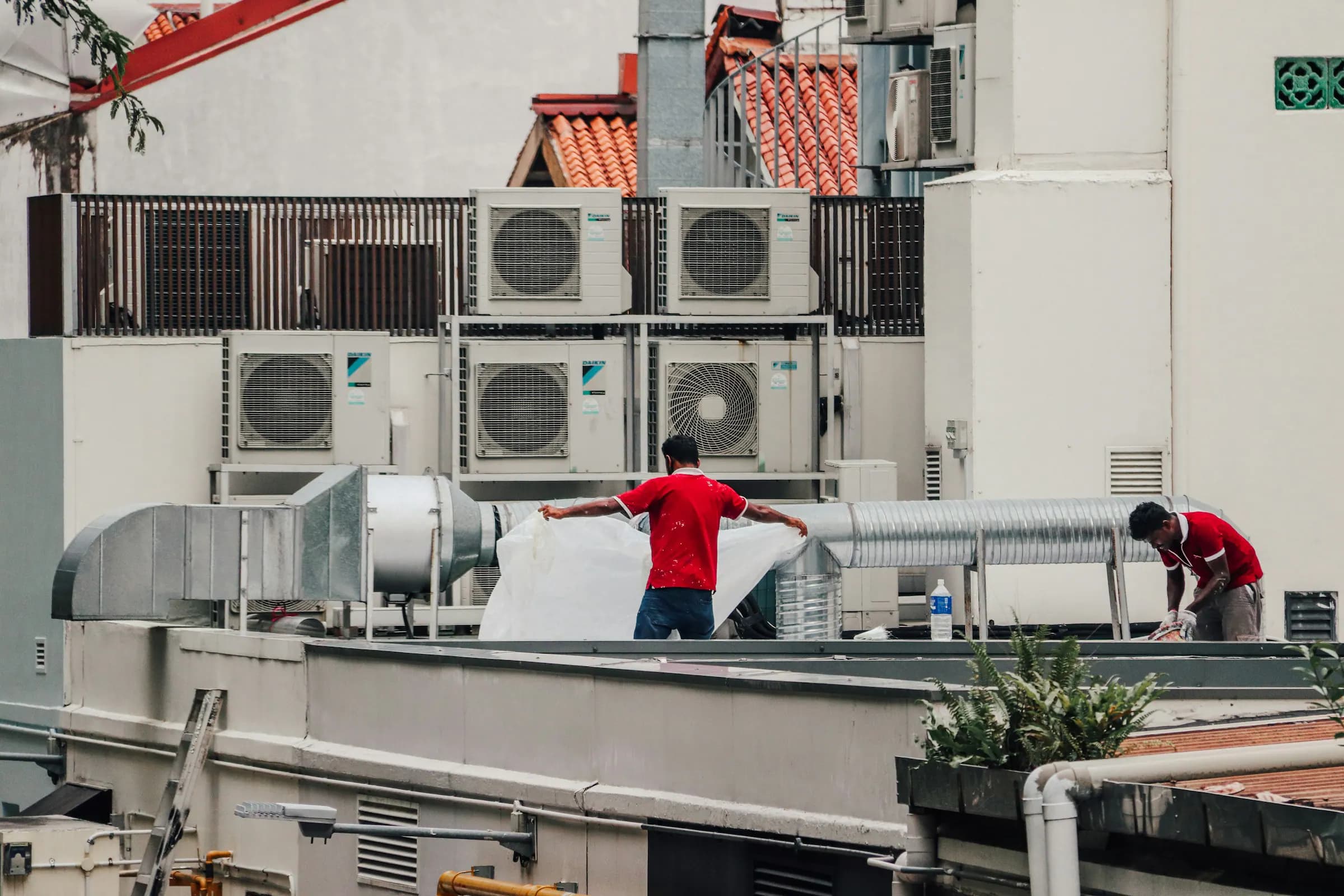
Good ventilation decides whether guests smell the kitchen. We install exhaust hoods and ducting that pull smoke and fumes out at the source, and fresh-air supply so the dining room is not pulling air back from the kitchen. Exhaust ducts are cleaned on a schedule because grease build-up cuts airflow and is a fire risk.
Chapter 03 / 03
Heating, cold storage and upkeep
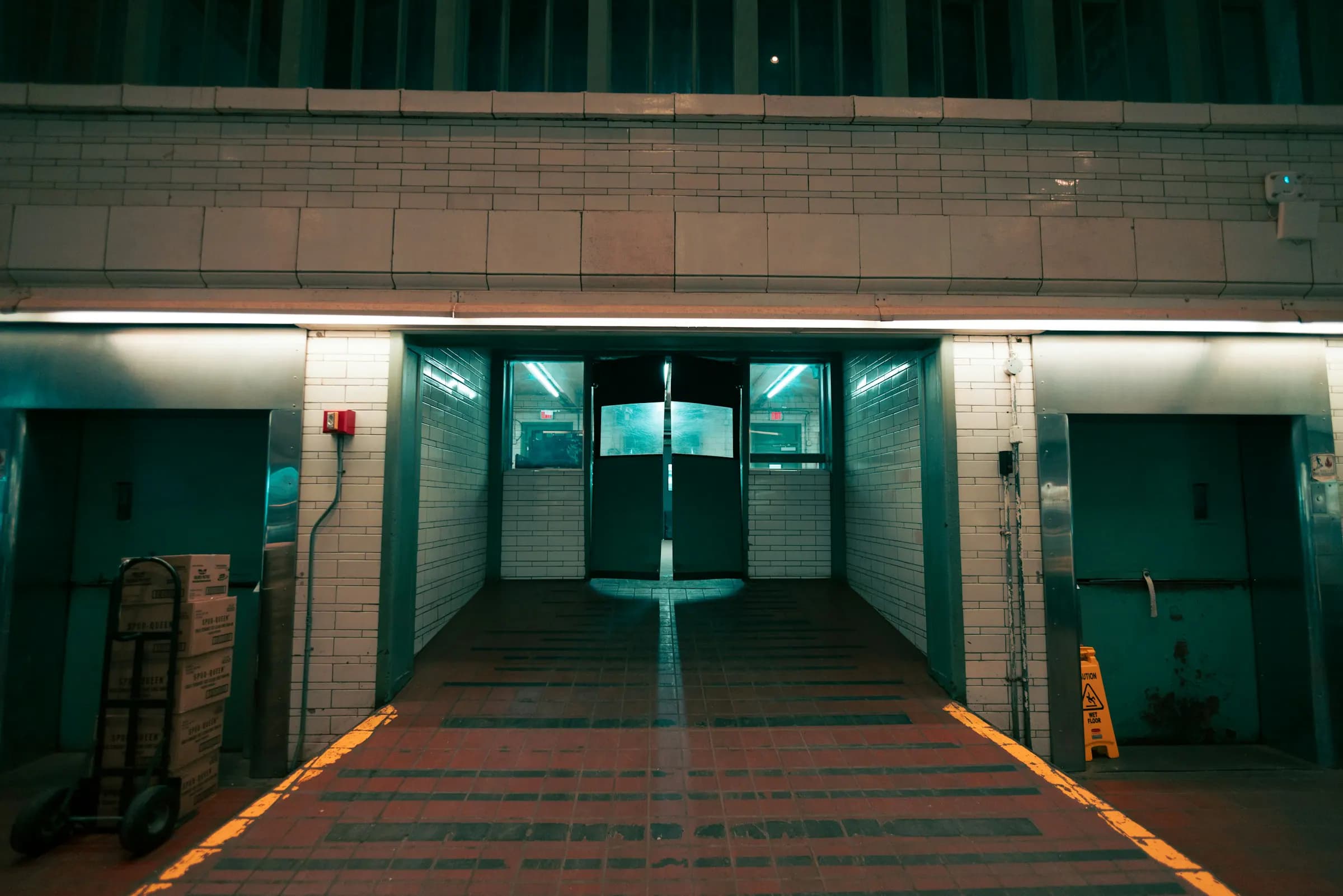
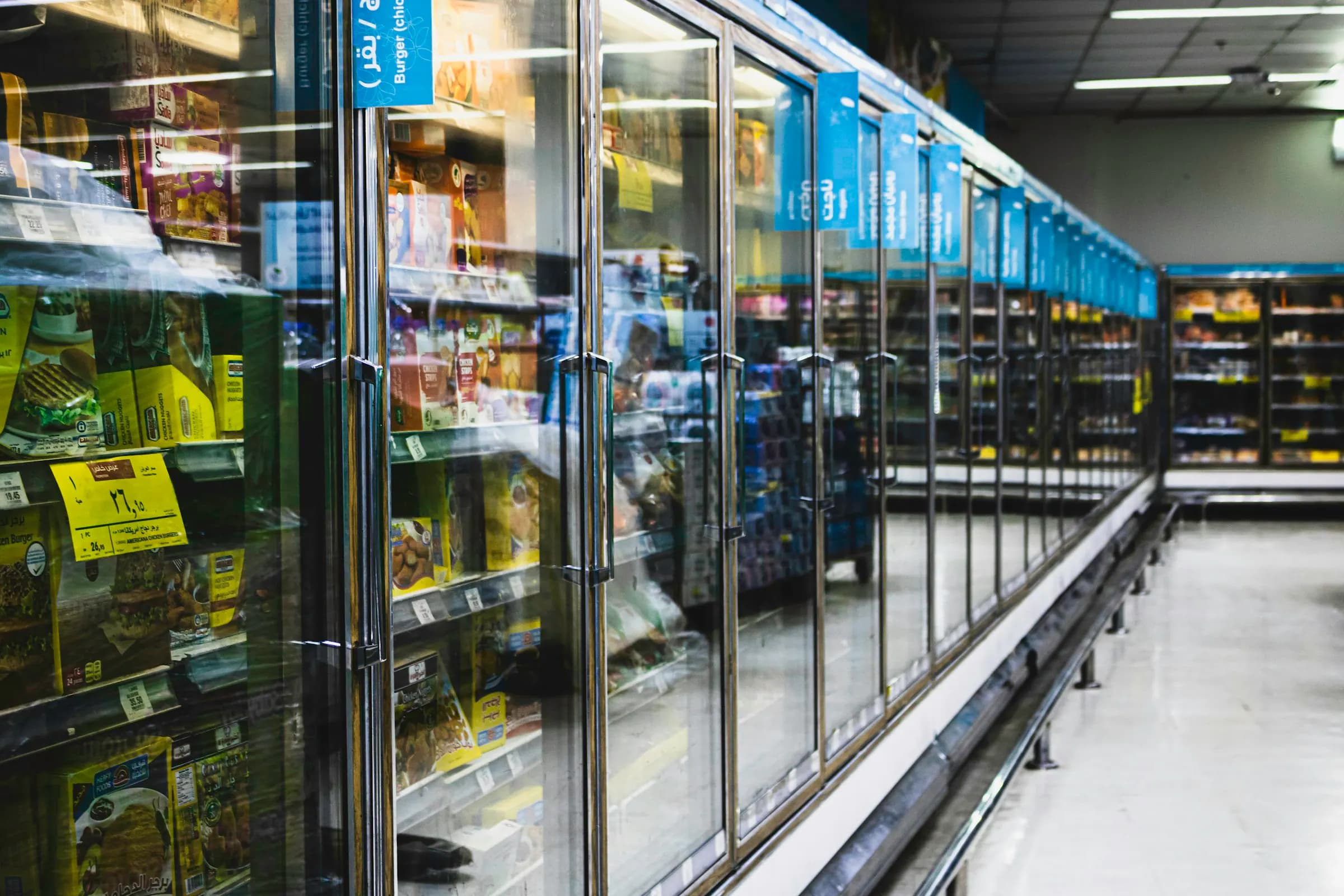
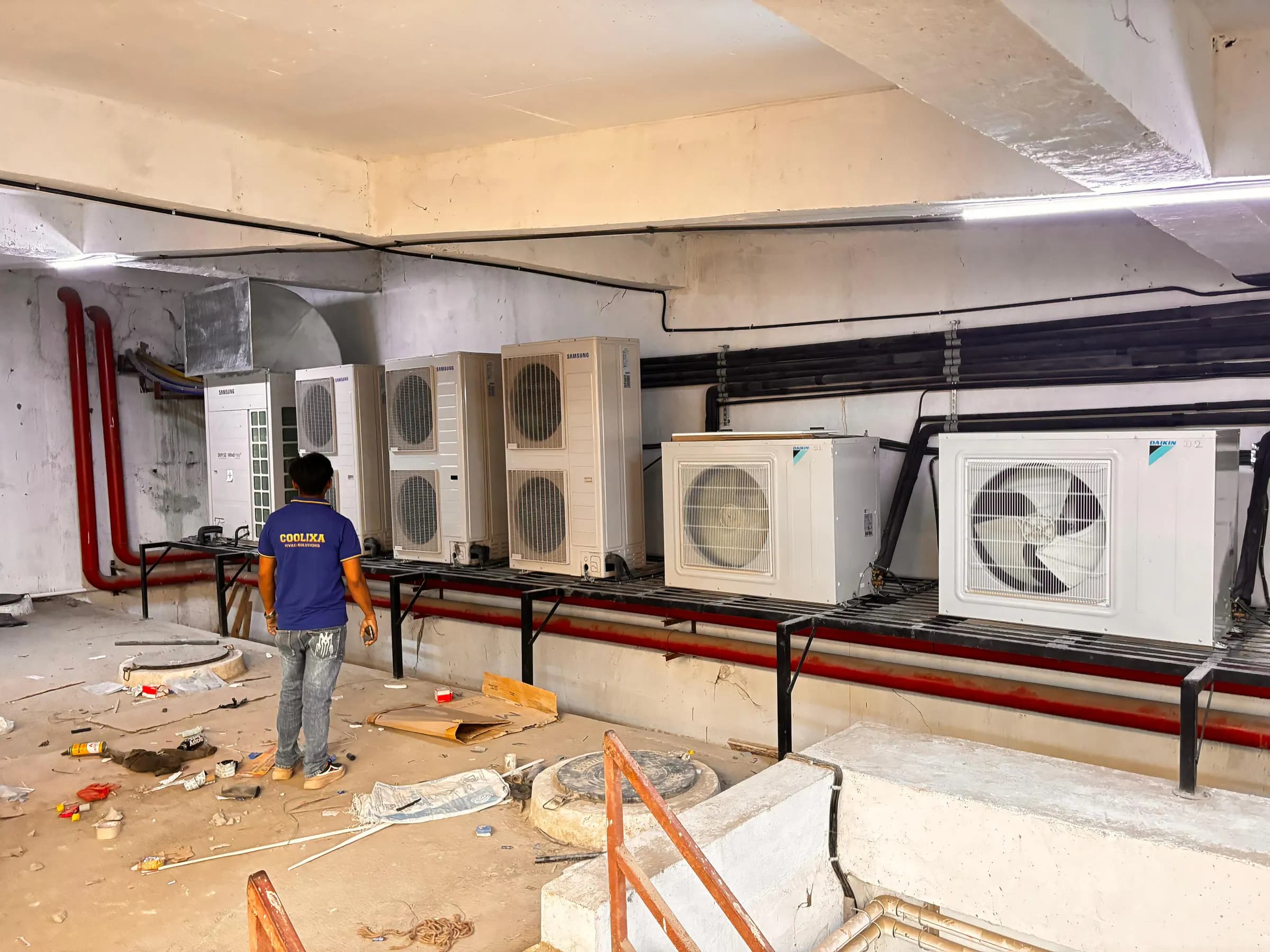
For outdoor seating and restaurants in colder places like Lonavala, Pune and Nashik, heat pump units can keep the room warm in winter. Behind the scenes, we build and maintain cold rooms and refrigeration so stock stays at the right temperature. A regular maintenance plan keeps all of it running through peak season.
Frequently asked questions
01Why is my restaurant AC not cooling when the room is full?
Often the system was sized for average rather than peak load, or filters and coils are choked with grease. Poor kitchen exhaust also lets hot air into the dining room. A site check will show which it is.
02Do you install kitchen exhaust hoods and ducting?
Yes. We design and install kitchen exhaust hoods, ducts and fans, together with fresh-air supply for the dining area.
03How often should restaurant AC filters be cleaned?
More often than in an office, because kitchen grease and smoke clog them quickly. We set the interval under an AMC based on your cooking style and hours.
Services for Restaurants & Bars
Next industry
Hotels & Hospitality.
Get a free quote
Tell us about your site.
Share the space, the tonnage if you know it, and your timeline. An engineer will call you back, visit if needed, and send a clear quote with equipment options.